Fig Hill Farm is now participating in the Lawrence Farmers Market. These are the Saturdays that we will be there (7:30-11:30 am at 8th & New Hampshire in Lawrence):
May 9th, 16th and 30th
June 6th, 13th, 20th & 27th
July 18th
August 1st, 8th, 15th and 29th
September 5th and 12th
October & November dates TBA
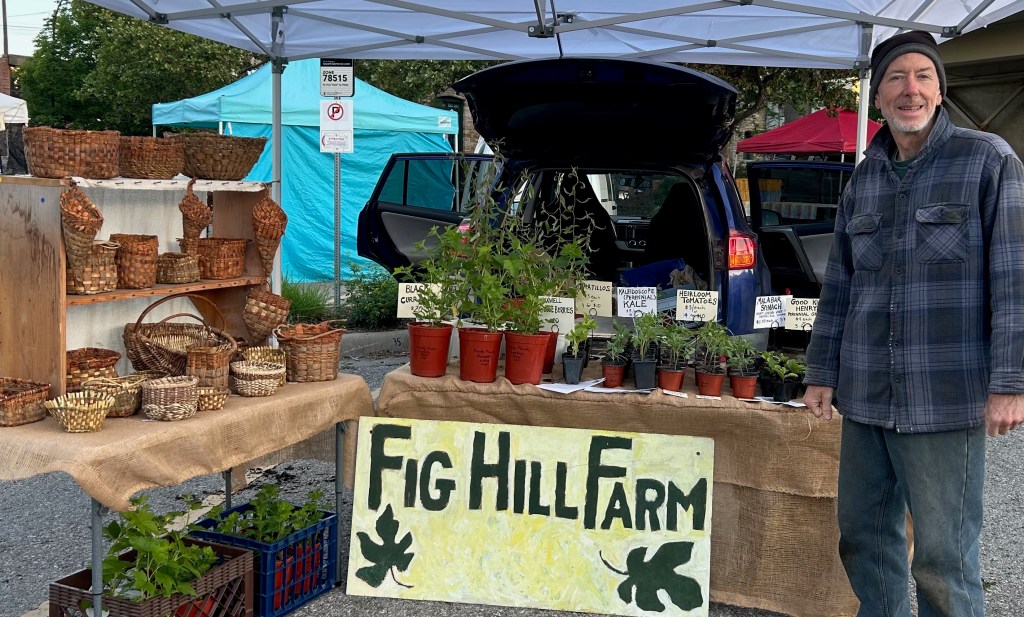
We will have baskets made from local materials, fruiting plants, and later in the season, fresh figs.
SATURDAY, MAY 9 HIGHLIGHTS:
PERENNIAL VEGETABLE: SEA KALE
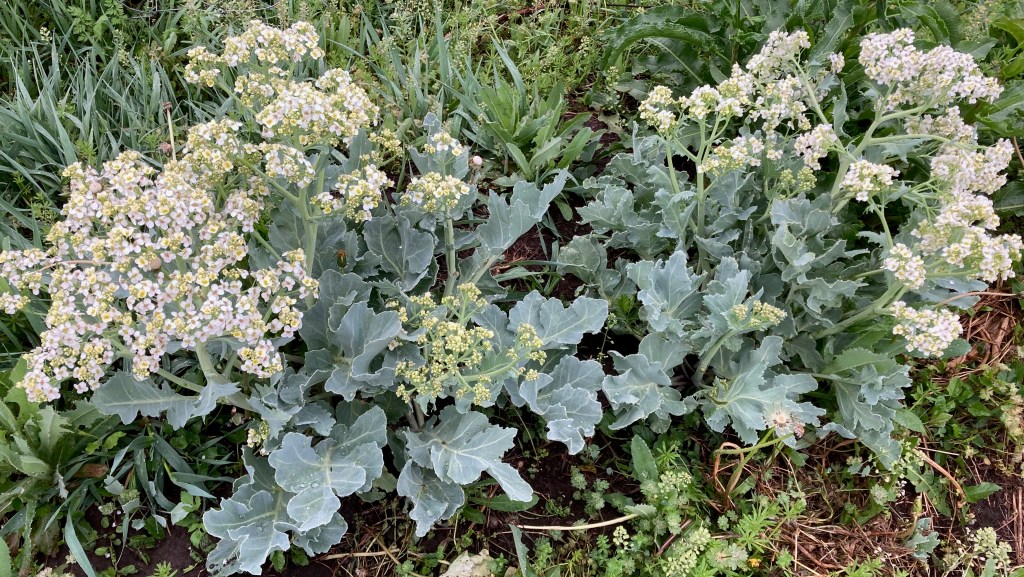
Sea Kale is an amazing perennial vegetable, native to northern European sea coasts, that is very happy in Kansas. It has many delicious edible parts: spring shoots (like asparagus), flower buds (like broccoli), leaves (like kale), flowers (which smell like honey), and even the roots (we haven’t tried those). It grows about 18″ tall and wide, and needs full sun and well-drained soil. It has been completely unbothered by any insects or diseases in my garden.
Large rooted plants $15, small rooted plants $10.
GOOSEBERRY AND BLACK CURRANT PLANTS:
If you love berries in the summer, these two plants will do very well for you. Both grow 3-4 feet in height and width, and will benefit from some afternoon shade in Kansas. They make an absolute profusion of berries in the early summer.
Each plant $20
PIXWELL GOOSEBERRIES
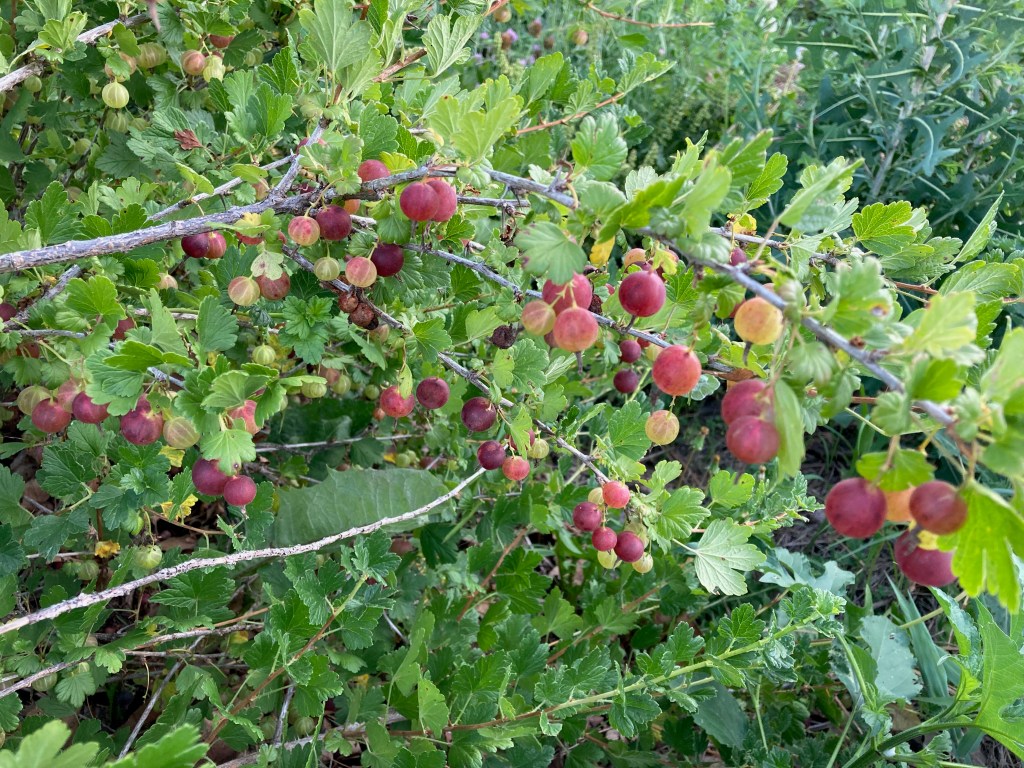
This gooseberry has been growing in Kansas since the mid 50s. It thrives on neglect once established (please water it the first year), making prolific crops of delicious gooseberries every year. It can grow in either full sun or partial shade.
MINAJ SMYRIOU, TITANIA, & AMERICAN BLACK CURRANTS
All three do extremely well in Kansas, though they should be well-watered, especially their first year, and probably mulched to retain moisture. They produce an abundance of classic black currant berries, perfect for making jam, wine, pies, and eating out of hand. They would prefer a location with some afternoon shade here in Kansas.
CURLY WILLOW:
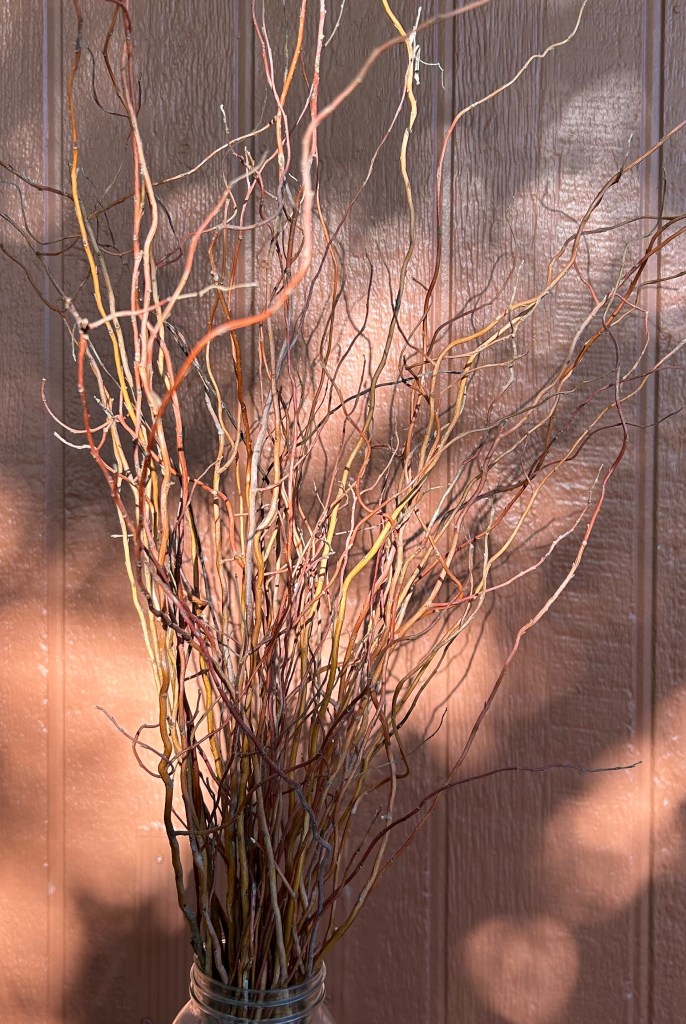
Grow your own decorative curly willow shrub. Great for wreath-making and floral design! Plant in a full-sun location, and make sure it gets plenty of water the first year. Every winter, cut it to the ground, and the next year it will grow back fuller with more rods. It should get to be around 6 feet tall, with many rods.