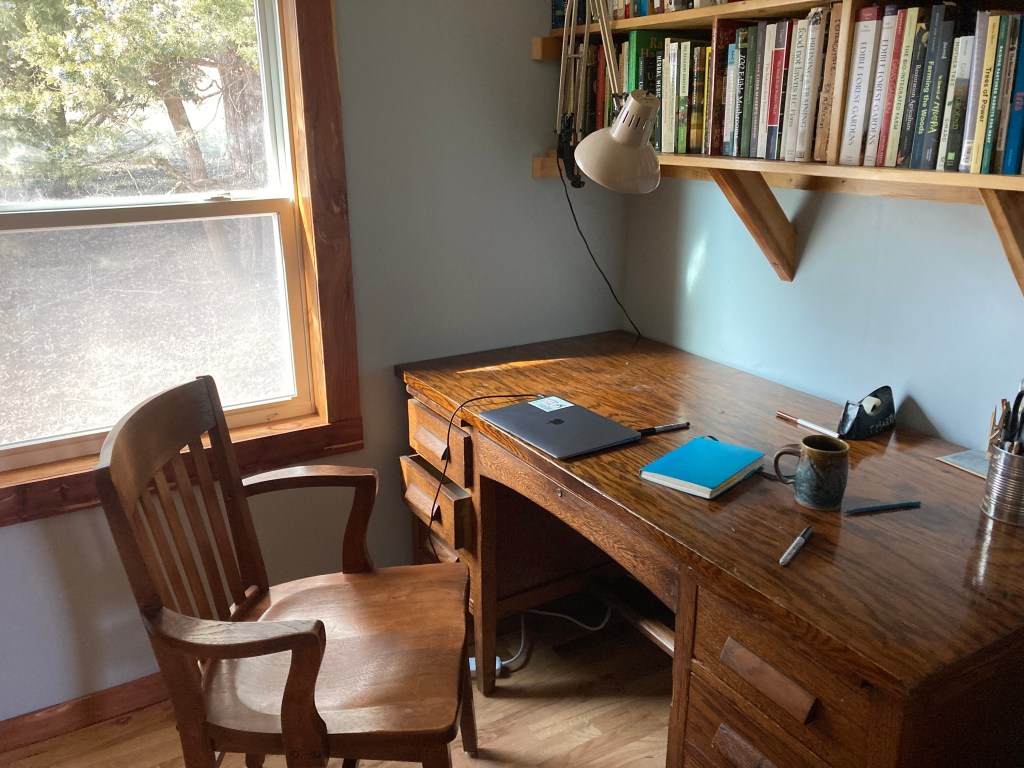
In late December 2023, Byron and I finally moved out to the farm, almost four years from the day that we bought it. Byron and I (mostly Byron) had spent the previous month and a half repairing and painting the exterior, digging a 200 foot trench to get internet installed, tiling the kitchen floor, milling some of the Eastern Red Cedar slabs our friend Amber gave us into baseboards and trim, converting the defunct windowless master bathroom into a lovely office for me, and building extensive shelves in most of the rooms. We transformed the house from merely functional into a space that we are happy to spend time in.
And just in time.
Our long, warm fall and early winter ended abruptly, first with snow and then with a plunge into sub-zero temperatures. The snow was no problem, lovely even. It blanketed our world in about six inches of white. Sure, it was a bit harder to haul hay and water for all the animals, but not that hard, and we soon had paths tromped down. Our new wood stove was working great, keeping the living room at about 74F and the rest of the house at 68F, warmer than our old drafty house in town ever got.
But then the bottom dropped out, with an extended forecast of lows well below zero, and highs hovering around zero, and howling north winds, and we were definitely not prepared. The chicken tractor was still quite a distance away from the big garden, where we like to park it for the winter so the chickens can scratch and poop in the garden beds and so we can plug in a water heater. The sheep were in two different paddocks–one with the breeding ewes and ram up in the far side of the neolithic woods pasture and one with the ewe lambs still a bit too small for breeding in the big garden where the chickens should have been. That split meant hauling hay and water to two different groups. We’d never gotten around to moving hay bales up to where the sheep were actually wintering, so it was multiple long, hard trudges uphill with the garden cart piled with hay. And we had a lot of plants that needed winter mulching. In the process of moving, we hadn’t taken everything out of our air-pruning beds and planted them in the ground, and we also had a bunch of prairie transplants from another friend that we hadn’t gotten in the ground, and sub-zero (Fahrenheit) temperatures would likely kill them.
So all moving houses activities stopped, and we had to go into high gear winter deep-freeze preparation.
First thing was to cover all the exposed plants–easy enough with wheel barrow loads of long-gone moldy hay that a friend had helped us procure for garden-mulching.
Then all of the sheep got moved together into the duck yard, where they have shelter from the north winds, and the electric cord that heats the duck water can also heat water for the sheep. The ducks weren’t venturing out of their house in this weather anyway. No more hauling buckets of water only to have them freeze within a half an hour. Only one hay-hauling location, a quarter of the distance that I was hauling before. Yes, the ewe lambs are now in with the ram, but they’re a month and a half older, probably fine for breeding, and the extra month and a half will have them well fed on the lush spring grass of April and May in the last two months of pregnancy.

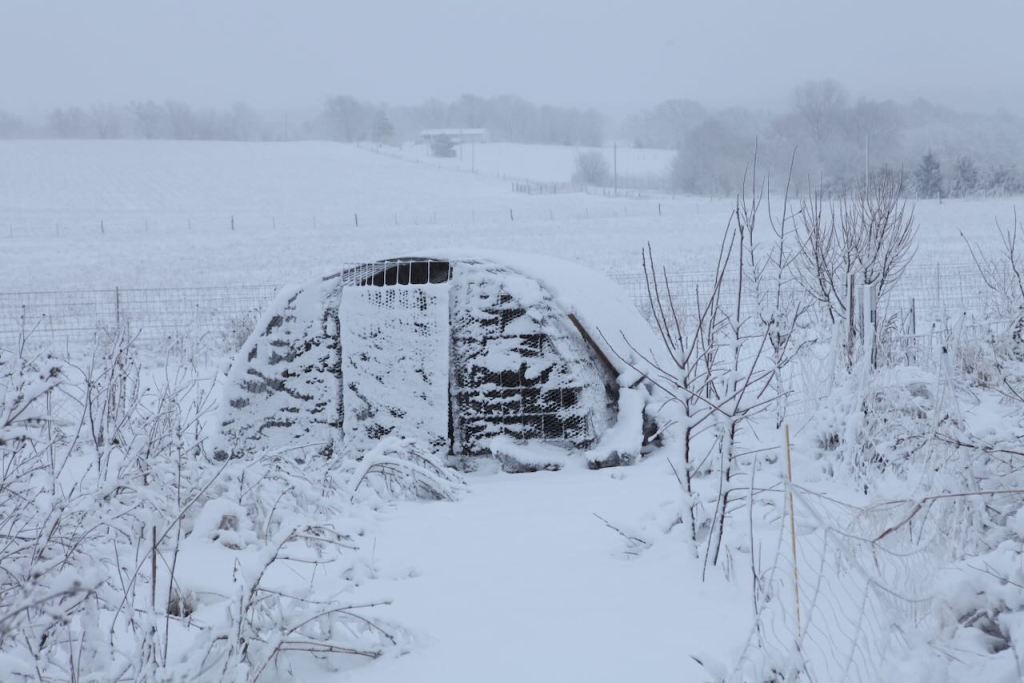
The chickens were moved into the little greenhouse, where we brooded them last fall. There was no way that we could have moved the chicken tractor, especially since the six wet inches of snow froze solid. We had to catch them one by one and carry them to the little greenhouse, which also has an electric cord for heated water. So they’ll be missing their whole electric-fenced off area, but in this weather, they’re not venturing out anyway, and at least they’re blocked from the wind and have water instead of blocks of ice.

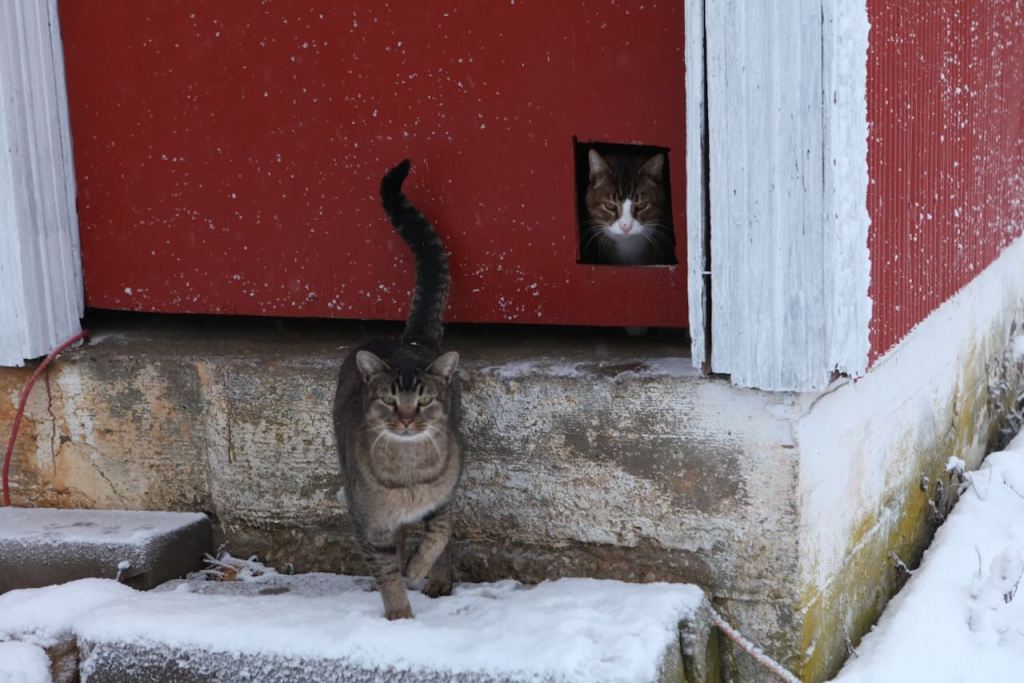
The cats were easy: two of them live in the well house, and sleep cozily in a south window, and the other two nest in hay in the barn. We’re just upping their food a bit.
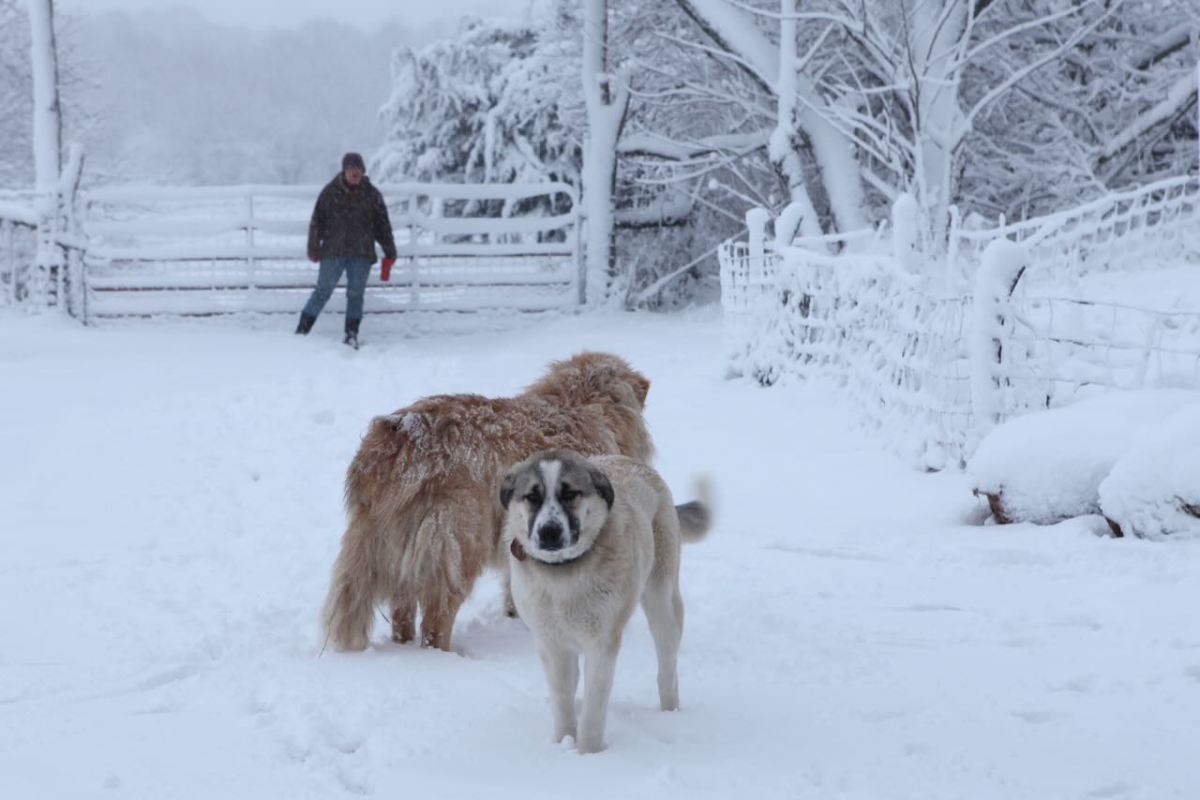
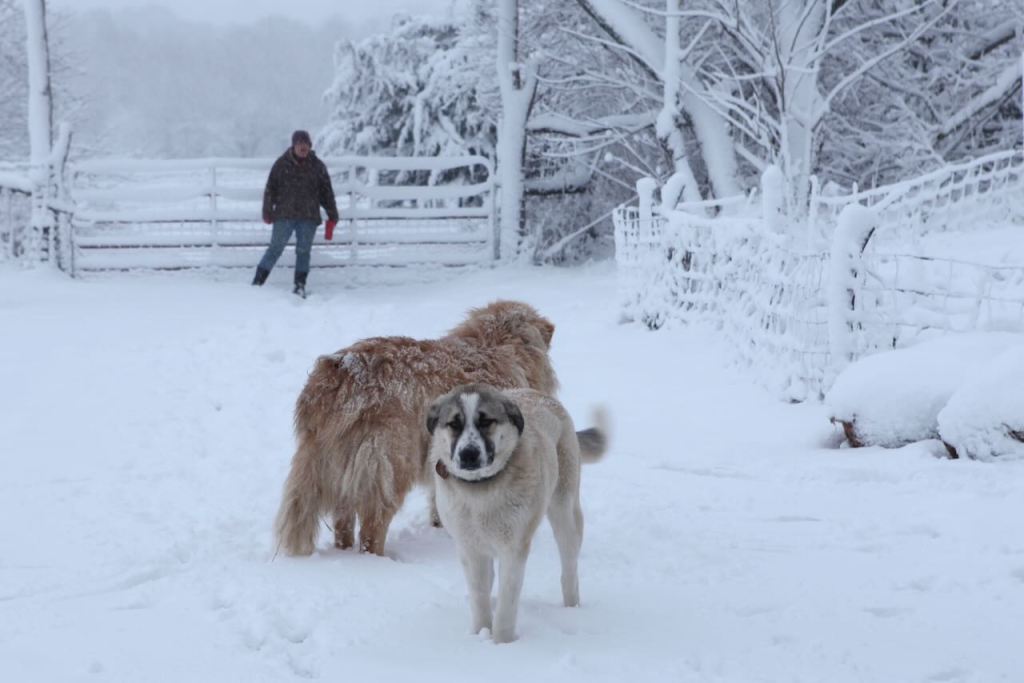
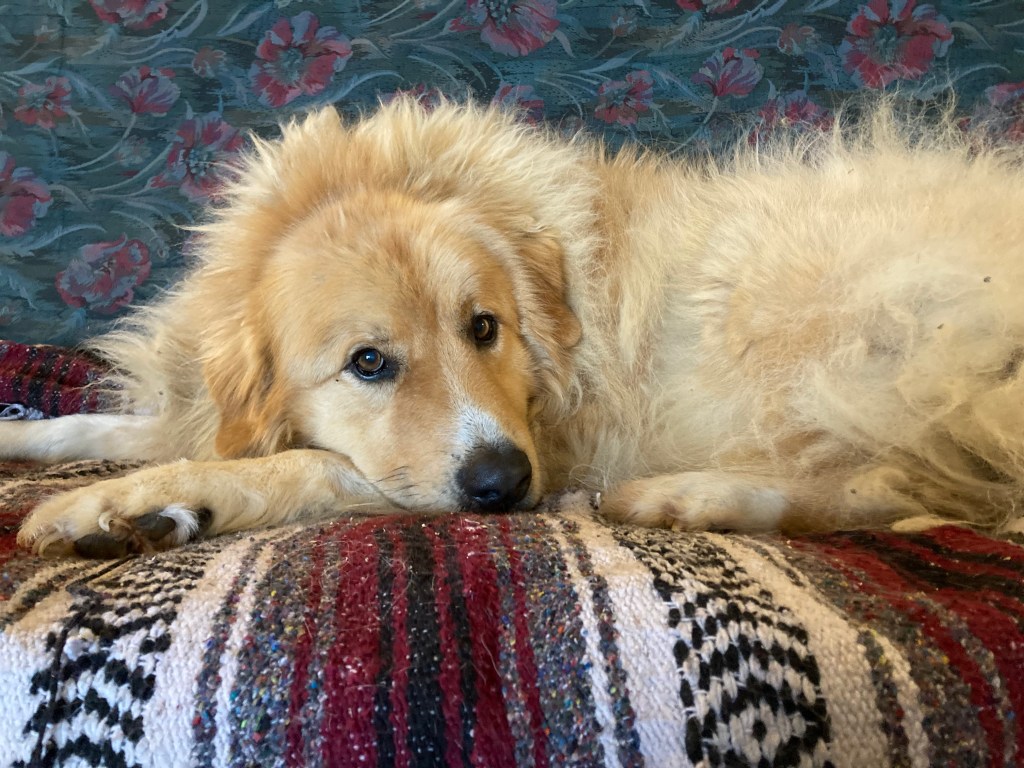
But the dogs–what to do about the dogs? Our two farm dogs, the old one that came with the farm and the young one that is only 7 1/2 months old are livestock guardian dog breeds. Neither are house dogs. They have large body masses and thick thick double coats, and have been completely unbothered by normal winter temperatures. They seek out sheltered places to sleep (currently on the lee side of the big hay bales we never moved up into the sheep pastures), make their rounds regularly, and are happy happy happy in the snow. But -14F with windchills at -35F seems a little much. The older one’s coat isn’t as good as it should be, and the young one is young.
So we decided that we were going to bring them inside for the nights when it was so far below zero. They both had to be carried/dragged inside the first night. Freya stayed in the mudroom (which had a morning temperature of 9F instead of -9F, but no wind), and Chungka in the laundry room, right next to the back door. Both bolted out first thing in the morning. The next day, Chungka looked miserable outside as the temperatures dropped even more, so we again dragged him inside, but this time through the front door. Ten minutes later he was on the couch, panting, because he’s designed for cold weather rather than the heat, but he didn’t budge until late afternoon when he needed to go out. That evening we again had to drag/carry him up the stairs onto the deck, but when we opened the front door, he ran inside and jumped up onto the couch.
As for Freya, the second night she started howling at about 1 am, so I let her out. She spent the rest of the night on patrol, with naps next to the hay bales, and this morning, with the temperatures up to -7F, is cavorting about. I think she’s fine, and we’ll probably not drag her in tonight. She’s showed no signs of being overly cold. It’s only supposed to go down to -9F tonight, and hopefully we only have a week more of this frigid weather. And then all the farm dogs will be back outside on full-time duty.
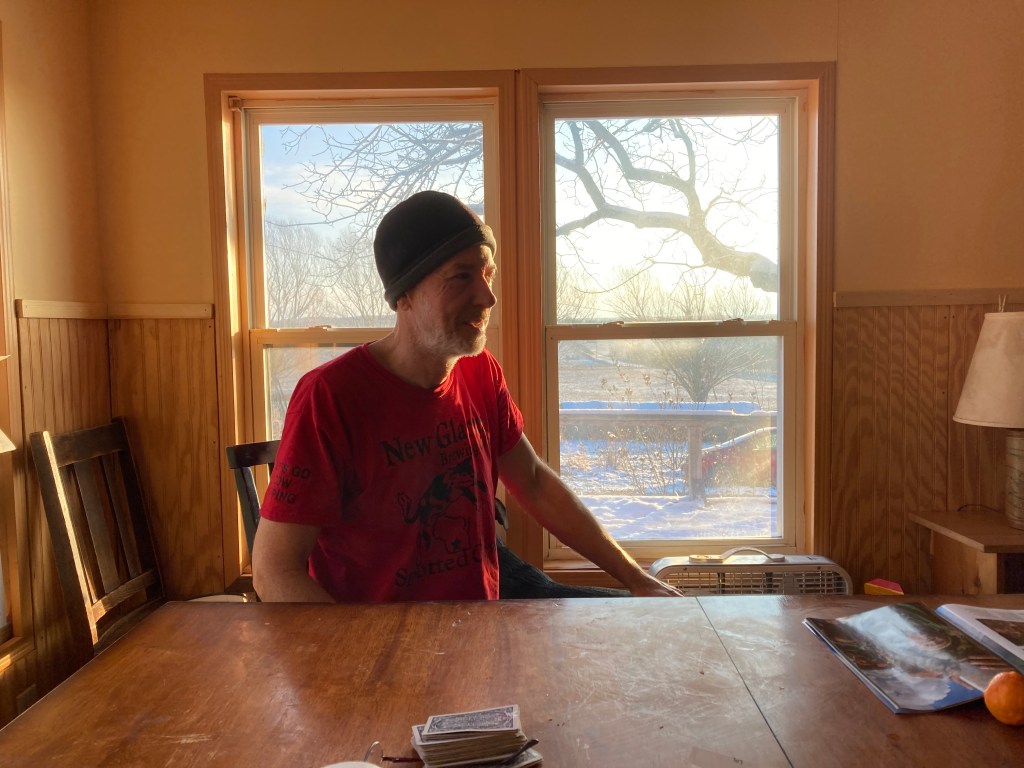
So the house is not as warm when it’s -12F outside as it is when it’s 25F, but it’s warm enough. We have long johns, wool sweaters, and double-knit hats, and a cozy down comforter for the bed. We’re still learning how to run this stove, and researching rocket mass and masonry heaters for when we build our new house, because we’re acutely aware of how much heat we’re sending up the chimney rather than keeping in the house. But this will do for now. This is, in fact, a vast improvement over living in an 1887-built house in town, and driving ten miles each way to what we want to be our life. THIS is our life–here on this farm, with all of our many projects. Though this deep freeze is inconvenient (and cold), we are working through it together and there’s lots to learn. Stay warm everyone!!!


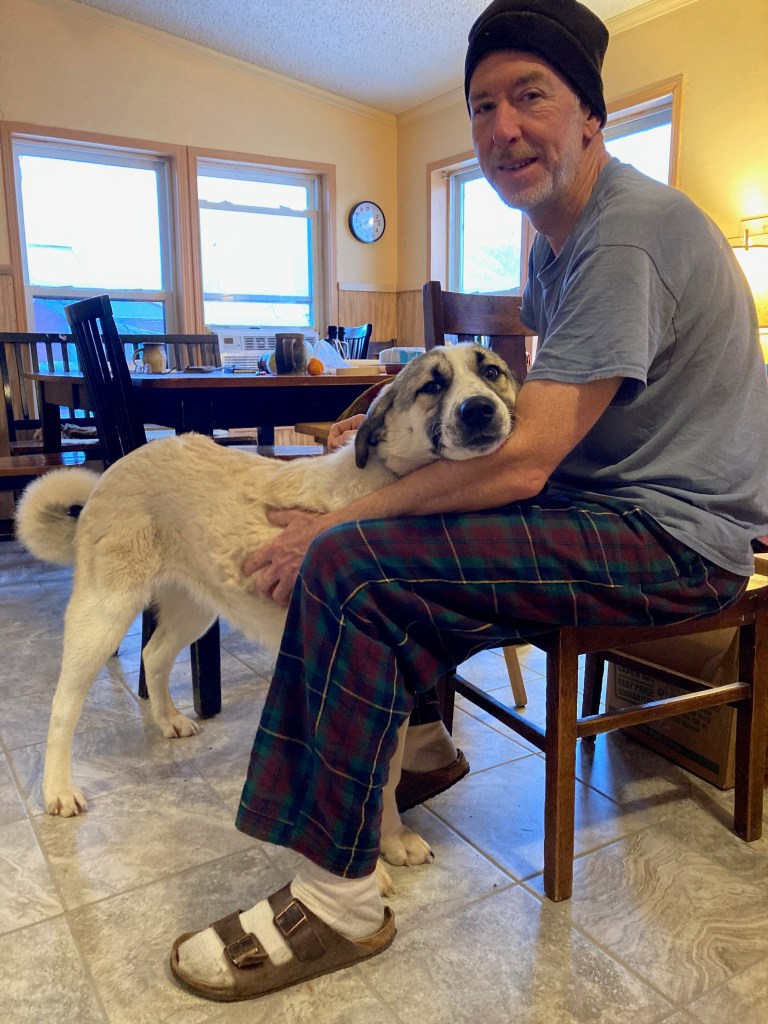


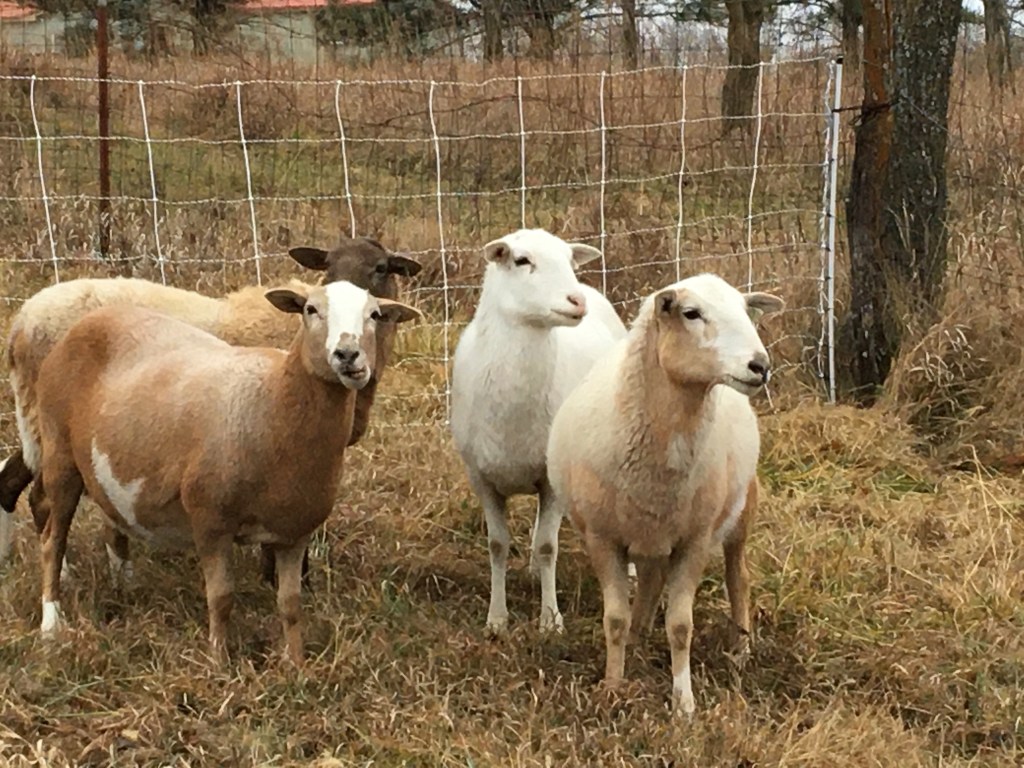




 Fig Hill Farm & the Kansas Figgery